Worlds
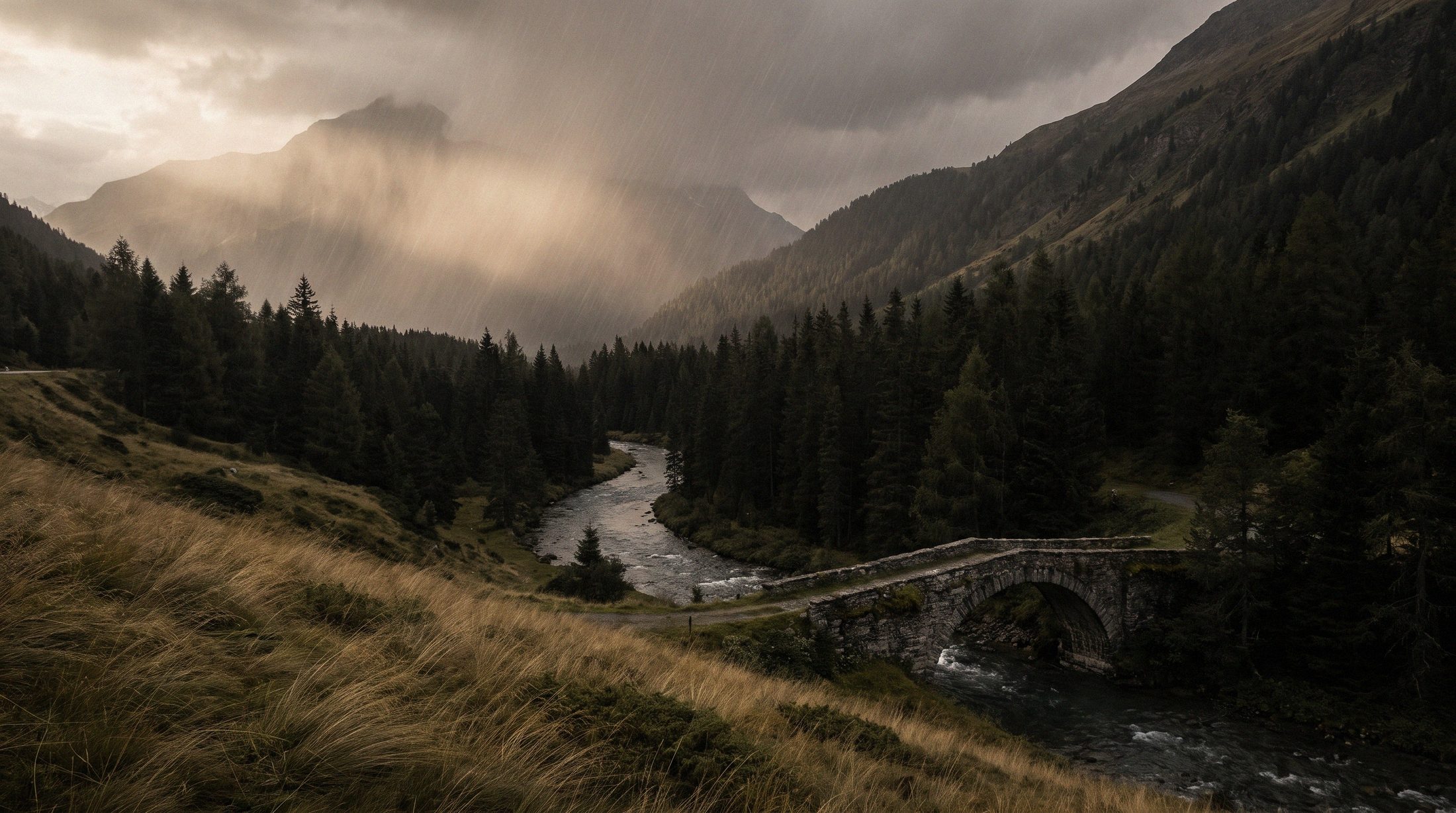
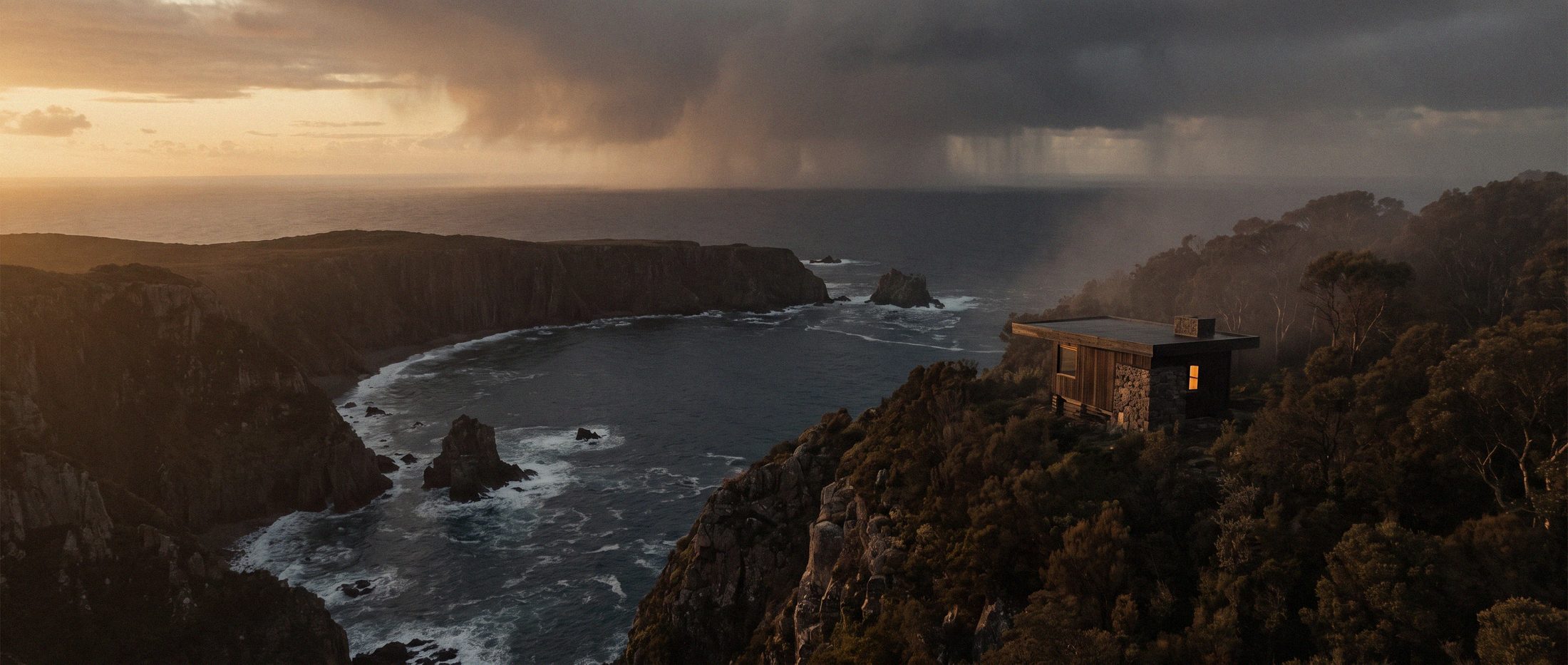
Walk a valley in a game and the wind arrives before the rain does. The trees answer it, the river rises under it, the storm crosses the ridge and leaves the canopy dripping behind it. None of it is a recording waiting for its cue. The valley sounds the way it is, right now, because the engine renders it as the weather moves.
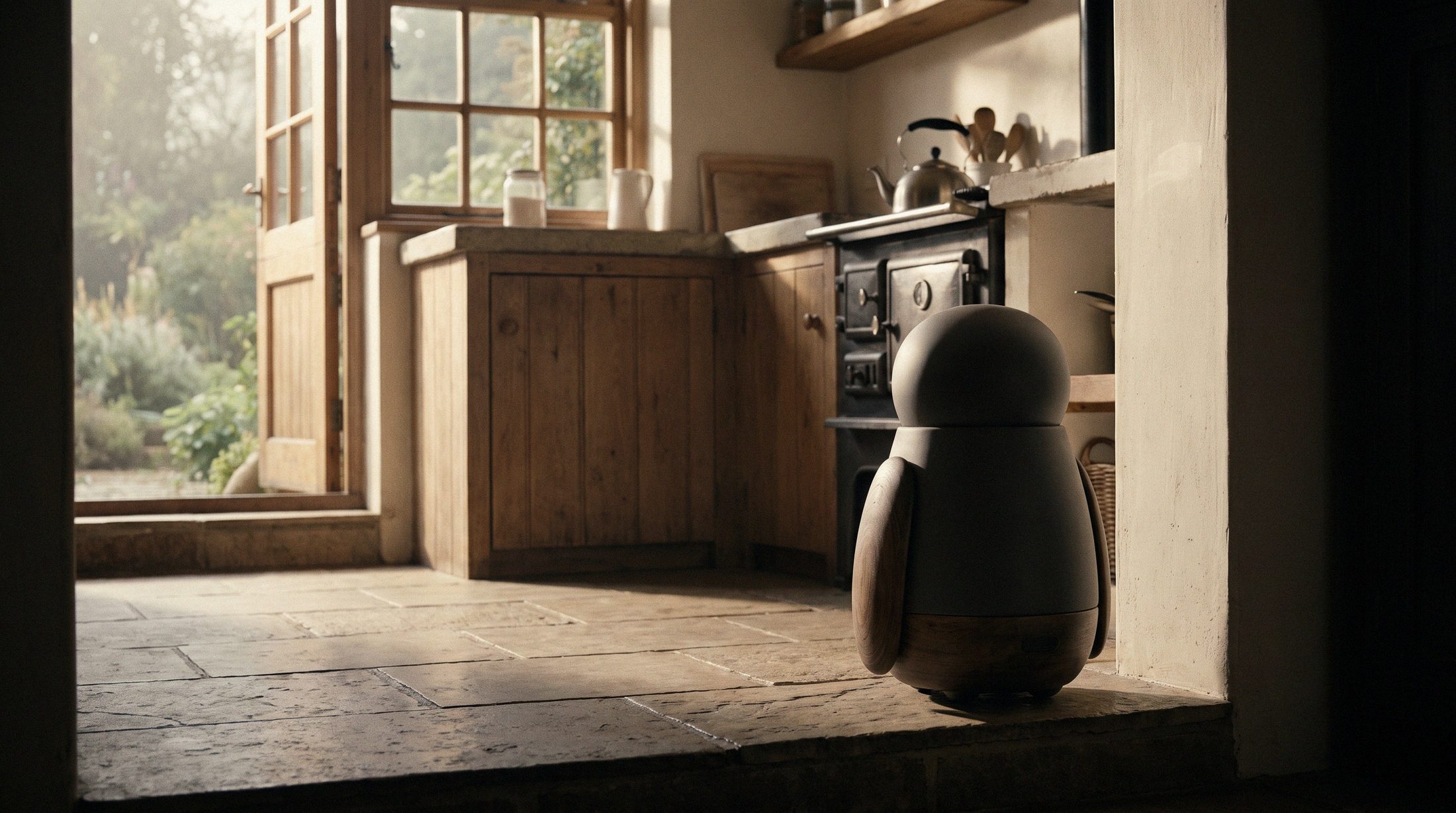
A robot steps into a kitchen and hears it: the hum of the fridge, the tile under its feet, a window open to the street. It can learn a room by ear before it learns it by sight, and speak into that room at the right level, without shouting over a conversation it should have heard. Sound is how a machine finds out where it is.
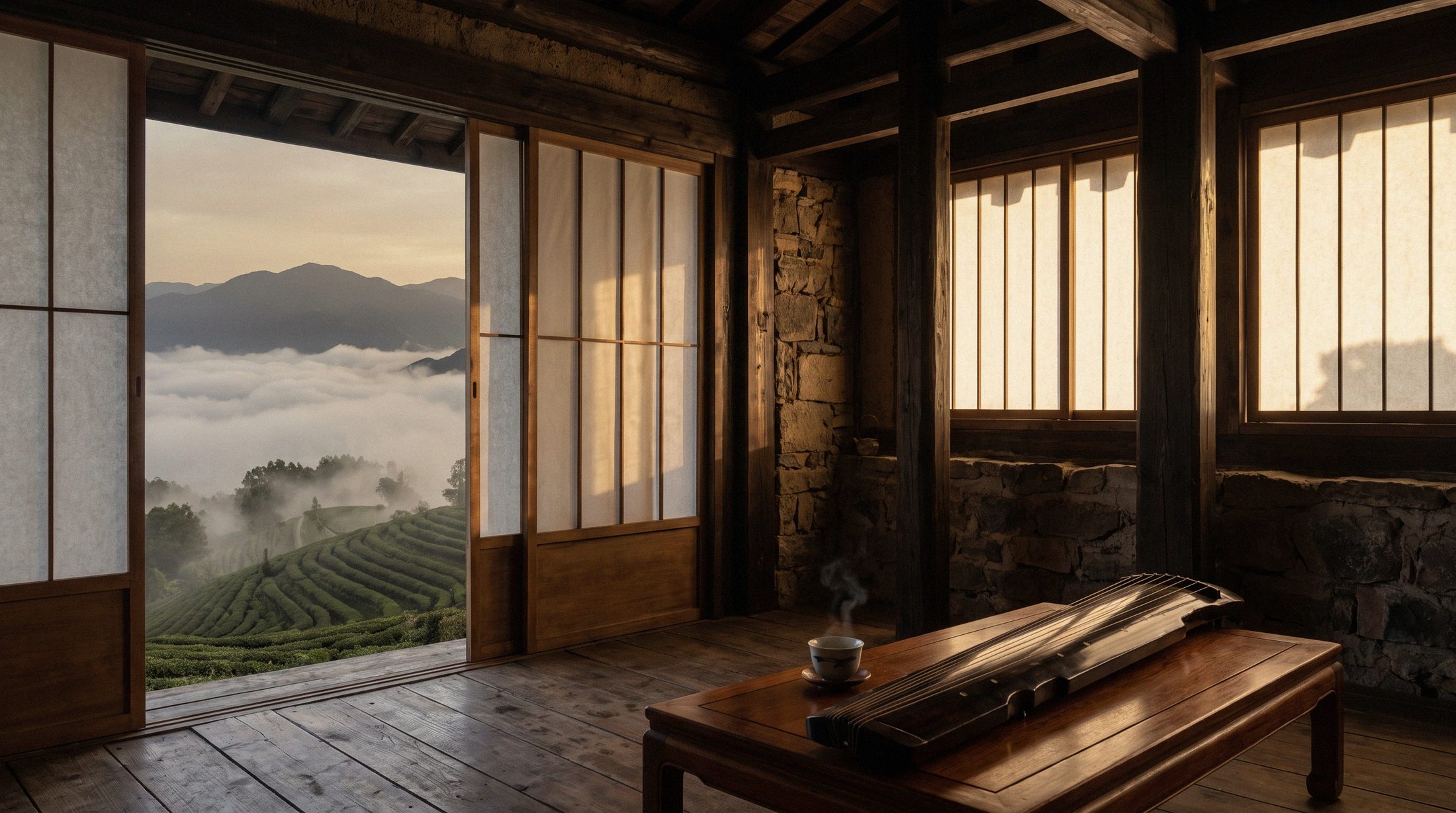
A teahouse in the hills wants a guzheng playing in the afternoon, and there is no player. The engine renders one: a real instrument, recorded with its player's permission, played into the room as the light changes, slower as the tea cools, quieter as the last table leaves. Hotels, galleries, stations, stadiums: every space has a sound it has been waiting for.
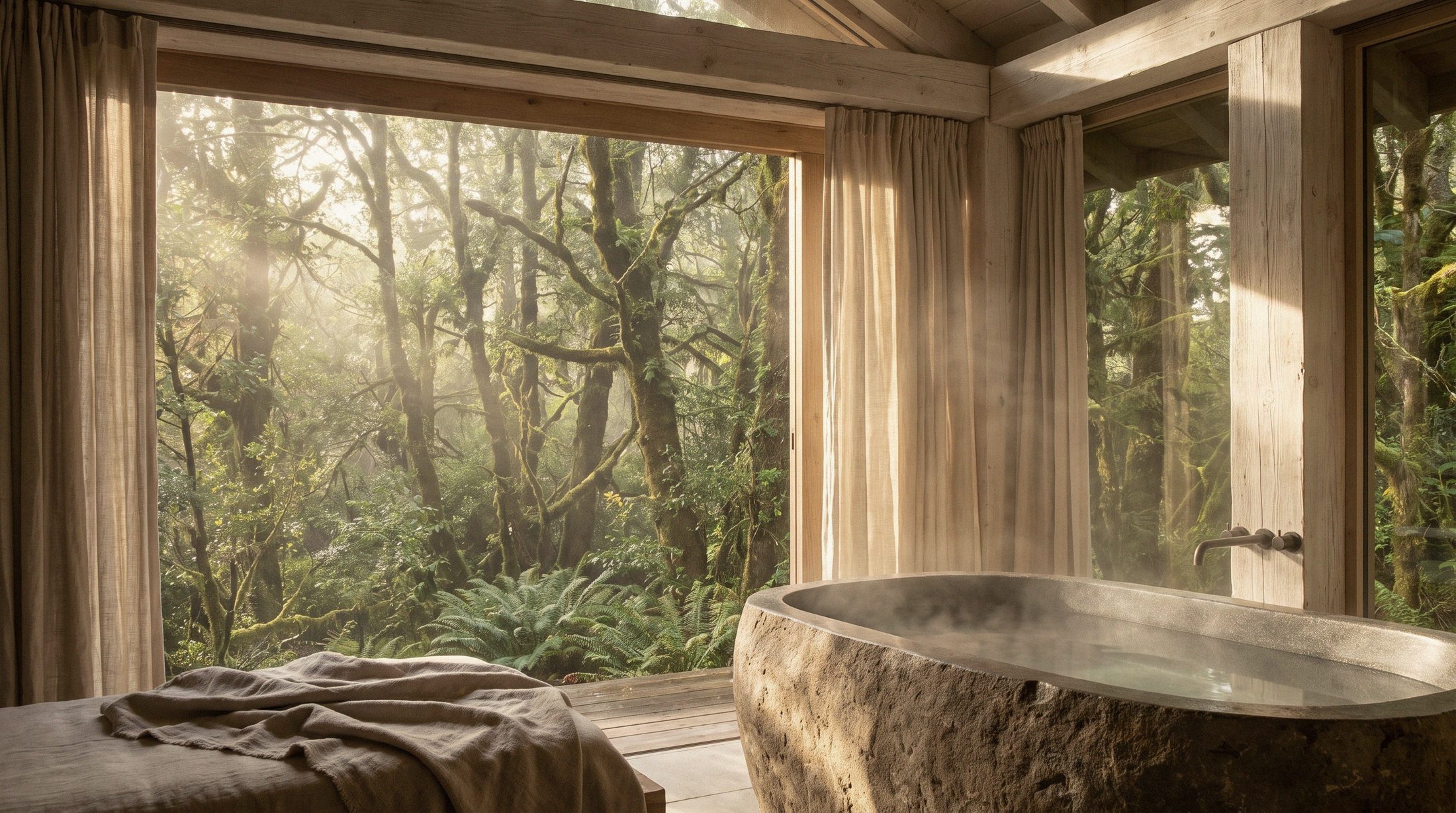
A spa wants a forest. Not a loop of birdsong, but a forest: dawn moving into morning over an hour, rain arriving and passing, the canopy still dripping when the sun returns. Retreats, hotels and homes can hold a forest, rendered for as long as anyone stays.